-
 Hugo DESLOGES
2 years ago
Je suis ravi de la prestation qu’Amélie a pu me proposer. Pourtant , suite à une incompréhension entre nous il y a eu un petit loupé mais grâce à son réseau et son professionnalisme, elle a réussie à rebondir et satisfaire ma demande dans un délai très court. Merci pour sa disponibilité et sa réactivité. Je vous recommande vivement ses services !
★★★★★
-
 marion alvarez
2 years ago
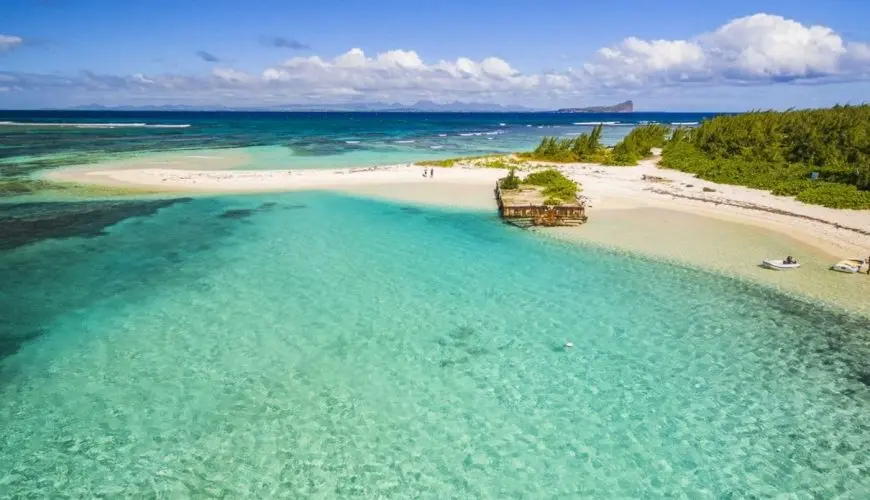
Très satisfaite des services fournis par séjour Maurice. Très réactifs et de bons conseils. Nous sommes très contents des activités faites avec eux. Nous avons eu un bateau privatisé pour aller voir les dauphins, faire du snorkeling et aller sur l’île au benitier. Merci encore.
★★★★★
-
 charline Fullin
2 years ago
Excellent séjour grâce aux conseils et aide précieuse de Séjour Maurice qui a su cibler exactement nos envies et à su nous proposer les bonnes activités avec un enfant. Ils ont su faire preuve d'écoute et de réactivité même au dernier moment pour interchanger des activités... Je recommande tout particulièrement la sortie bateau dauphins/baleines qui était exceptionnelle.. Nous avons pu voir de très prêt des cachalots, souvenirs incroyable.. Excellent prestataire sur les activités. Merci à Amélie et son équipe au top !
★★★★★
-
 Wendy Certat
2 years ago
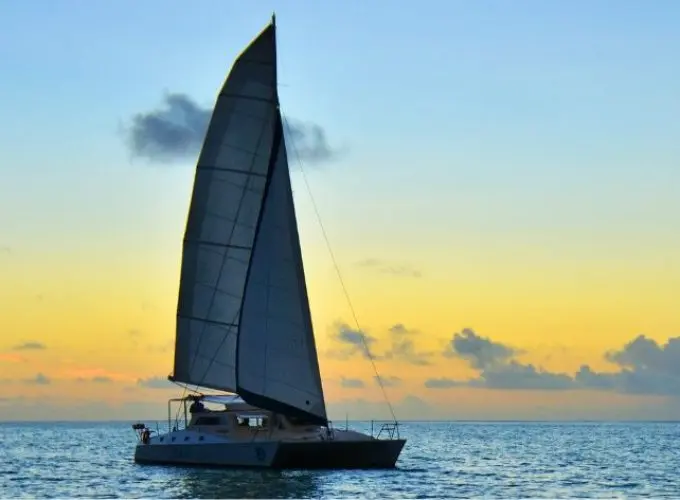
Super expérience avec séjour Maurice. Très bonne réactivité 👍👍L'activité catamaran restera inoubliable.
★★★★☆
-
 Solveig Ambec
2 years ago
★★★★★
-
 Manon G
2 years ago
Séjour Maurice a organisé plusieurs excursions pour moi lors de mon séjour à l’Ile Maurice. Les journées organisées étaient vraiment supers. Je recommande particulièrement la visite des îles du sud en speedboat. L’agence a été très réactive du début à la fin.
★★★★★
-
 jenny girardi
2 years ago
Une organisation parfaite, sans faille. Un grand merci à vous. Une destination fabuleuse. Je recommande vivement.
★★★★★
-
 Stéphanie Koenig
2 years ago
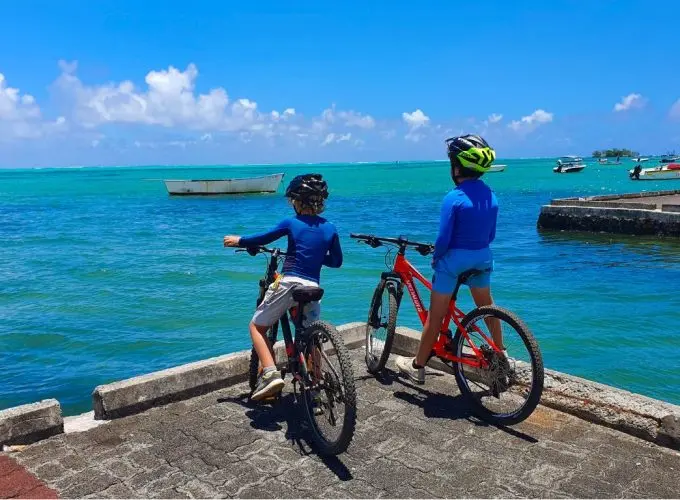
Je recommande !!!!Amélie nous a très bien conseillé pour la réservation de notre excursion à vélo Electrique à Grand Port. Superbe service !La journée était canon. Laurent, le guide, est juste génial. Nous avons énormément appris sur l’histoire de Maurice, découvert des coins magnifiques, rencontré des gens merveilleux, pour finir par un délicieux repas (typique mauricien).Hâte de visiter d’autres régions avec eux :))
★★★★★
-
 Virginie Felenc
2 years ago
Merci à Amelie et Séjour Maurice pour l’organisation de notre sortie en bateau pour aller découvrir les baleines et dauphins suivi d’un barbecue sur l’île aux Bénitiers.Le choix des prestataires était excellent : respectueux de la nature et connaisseurs de leur île.Amélie a été très réactive, à l’écoute et de bons conseils pour que nous passions une belle journée entre amis et avec nos enfants. Nous repasserons par eux pour l’organisation de nos futurs aventures à Maurice. 🙏🌈🌊
★★★★★
-
 Julie Francois
2 years ago
Séjour Maurice est vraiment une conciergerie au top ! De très bons conseils, arrangeant, ils écoutent vos envies et votre budget et essaient de vous proposer un maximum d’activités/découvertes pour que votre voyage soit idyllique ! Des personnes amoureuses de leur île et qui la respecte énormément en choisissant des prestataires de qualité soucieux de l’environnement. Vraiment parfait nous sommes ravis ! Merci !!
★★★★★
-
 slim ROMDHANE
2 years ago
Séjour Maurice, le top! Toujours de bons conseils, disponible et serviable ! Une personne qui aime son pays et qui vous donne envie de le découvrir ! Je suis aussi passée par séjour Maurice pour louer mon véhicule et tout était hyper bien organisé ! Vous pouvez la contacter et y aller les yeux fermés !! Amélie vous sera d'une grande aide pour organiser votre séjour !
★★★★★
-
 Philippe Esnault
2 years ago
Contact réactif et pro !Nous avons organisé nos sorties sur la base d une sortie Kayak et une seconde journée en rando à la découverte des 7 cascades . Le contact par WhatsApp était parfait. La météo nous a joué des tours et nous avons pu décaler de 6 jours la sortie cascades. Ce sont des prestations effectuées pas des opérateurs différents mais Amelie reste toujours en veille pour garantir le bon point de rdv et changements éventuels. Nous étions un groupe de 10 amis et tout était parfait. Tou korek 😉😉
★★★★★
-
 Jean-Clement Swistowski
2 years ago
Nous sommes passés par séjour Maurice en avril 2023, nous étions 4 (2 adultes et 2 enfants) au départ c’était pour nous organisé la visite culinaire de saint Louis et au final après avoir échangé avec eux nous avons loué notre véhicule et organisé l’ensemble de nos excursions avec eux. Les prix étaient attractifs, les excursions proposés au top, je recommande la ballade en pirogue c’était extra nous avions le bateau juste pour nous. Ils sont tres réactifs et répondent à toutes nos questions. Je les recommande pour un séjour de découverte en toute sérénité.
★★★★★
-
 Delphine Cognard
2 years ago
Amélie a tout de suite compris le côté exceptionnel que nous recherchions pour notre séjour. Elle a su répondre parfaitement à notre demande avec des partenaires de grandes qualités respectueuses de l environnement, je fais allusion à la sortie dauphins et à la journée sur l’île au benitier!Sans parler de la sortie de en VTT électrique dans les champs de canne, un pur bonheur qui d adapte à tous les niveaux de la famille. La rencontre et le déjeuner chez l habitant, un véritable échange basé sur la simplicité.Merci à Amélie et à son mari qui ont su embellir nos vacances !Allez y les yeux fermés, vous ne serez pas déçus!Delphine
★★★★★
-
 stephanie azelart
2 years ago
Notre séjour à l’île Maurice était parfait🤩🤩🤩Nous sommes passés par séjour Maurice pour une location de voiture à un prix très raisonnable pour la semaine et nous avons aussi réservé 2 excursions:1. L’ascension du morne, que je n’ai pas faire pour cause médical mais j ai pu la laisser être faite par quelqu’un d autres qui a été plus que ravi de son guide et surtout de la vue magnifique2. Une journée privative en catamaran vers les îles du nord , c’était parfaitÉquipage et service au top, le repas à bord du catamaran était délicieux et le p’tit punch aussi 🤪l’endroit est juste idyllique avec un peu de chance vous y croiserez peut-être une tortue 🐢Amélie est très sympathique et très réactive aux messages , nous avons reçus nos propositions d’excursion et nos devis très rapidementIl y a un large choix d’activitésJe recommande vivement
★★★★★
-
 Hardy Zélia
2 years ago
I contacted Séjour Maurice to organise my parents in laws holiday’s in Mauritius. Amélie has been very helpful. She organised and booked for us a rental car and an electro-bike day trip with DunienZîl ecotourism excursions. She was responsive and reliable. My parents in laws had a wonderful trip and everything worked out perfectly. I will contact Séjour Maurice in the future for sure!
★★★★★
-
 Ingrid de Speville
2 years ago
Nous avons fait une superbe ballade à vélo electrique à Roches-Noires. L'idée etait de faire une activité un peu differente avec les enfants pendant les vacances et ils ont adoré! En plus d'avoir fait du sport, ils ont decouvert des endroits magnifiques et appris beaucoup sur l'histoire de leur pays! A refaire définitivement!
★★★★★
-
 Celine JEANNOT
2 years ago
We used the service of Amelie to organise some activities such as biking tour and pirogue. Everything went fine and made us discover Mauritius differently! I recommand!
★★★★★
-
 Eva Desenfant
2 years ago
J’ai eu l’occasion de passer avec Amélie pour réserver l’excursion de la randonnée du Morne Braband, qui était au top. Amélie est très réactive et toujours à l’écoute ! Elle propose énormément d’activités géniales. Je recommande sans hésiter !
★★★★★
-
 MOcean
2 years ago
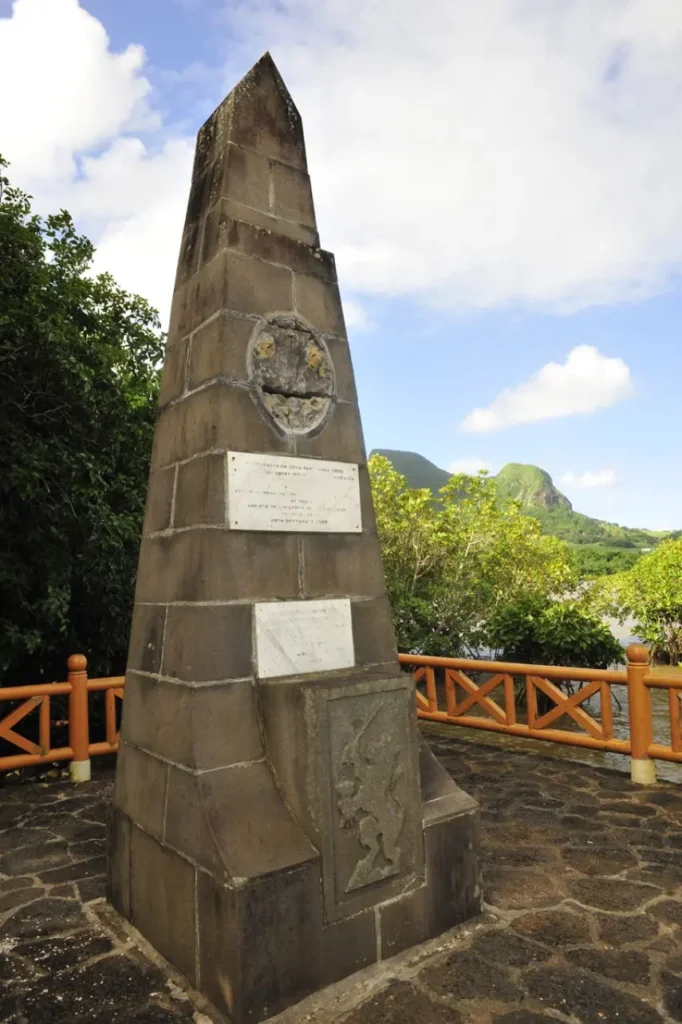
8 ans que je suis à Maurice et je n’avais jamais vécu une telle expérience ! Plongée dans l’histoire de Maurice ! Le guide Laurent a une connaissance de son île qui est incroyable! Séjour Maurice mérite à mon sens un 6* ! A faire et refaire ! J’ai fait grand Port et hâte de découvrir le reste !
★★★★★
-
 Beatrice Puglia
2 years ago
Nous avons réservé une excursion à vélo électrique via Séjour Maurice et nous avons vécu une expérience inoubliable! Les vélos sont d'excellente qualité et très confortables même pour des longs trajets et Laurent est toujours aux petits soins pour s'assurer qu'on vit une expérience magique en toute sécurité.Je conseille vivement !
★★★★★